Hair Dye Allergy and Black Henna Tattoos: What PPD Means for Your Skin
Colouring your hair at home or in a salon is part of many beauty routines. For most people it goes smoothly. A small number react badly to an ingredient found in many darker dyes. That same ingredient also turns up in the black henna tattoos offered at some holiday spots.
The chemical is called PPD, short for paraphenylenediamine. Once your body becomes allergic to it, that allergy tends to stay. Knowing where PPD hides and how a reaction looks can help you protect your skin.
What PPD is and where it is found
The Victorian Better Health Channel says PPD belongs to a group of chemicals called aromatic amines. It is used in permanent hair dyes and in printing, textile and industrial dyes. It is also found in some plastic and rubber products. In hair dye, it gives a darker colour that lasts longer.
The NHS in the United Kingdom says many permanent dyes and some semi permanent dyes contain PPD. It explains that PPD can irritate the skin or trigger an allergy. Better Health is clear that PPD is not meant to go directly on the skin. That is why the way it is used matters so much.
Henna and black henna are not the same
Real henna is a plant dye. Better Health says it is usually made from the leaves of the henna or mignonette tree. It is mixed into a paste and gives a red or brown stain that lasts up to about two weeks. It is often used for designs on the hands and feet.
Black henna is different. PPD is added to darken the colour, so it is not a natural product. Western Australia’s Department of Health says it is illegal to apply PPD to a client’s skin in Australia. It notes that black henna is more often found at some overseas holiday places, such as Bali.
Holiday stalls can be tempting, and a quick design feels harmless. A paste that stains the skin dark black very quickly is a warning sign. Better Health says it is likely to contain PPD. Ask what is in the paste, and walk away if there is no ingredient list or PPD is listed.
How one reaction can lead to another
Better Health explains that PPD on the skin can cause allergic contact dermatitis. This is a delayed reaction from the immune system. Symptoms can appear anywhere from one to fourteen days after contact. Once you develop this allergy you stay sensitised for life.
This is where black henna and hair dye connect. The NHS says black henna tattoos often contain high levels of PPD. Having had one may raise the risk of reacting to hair dye later. Even a small amount of PPD in the future can set off a reaction, according to Better Health guidance on black henna.
Signs of a hair dye reaction
The NHS says most hair dye reactions are fairly mild. Stinging, burning, dryness and an itchy rash are common signs. Blisters can also form. Symptoms may not appear for up to 72 hours after the dye goes on.
Better Health lists redness, rashes, itching, blisters, swelling and pain as signs of a PPD reaction. WA Health adds that black henna can cause painful oozing blisters and permanent scarring. It can also cause throat irritation, asthma, nausea and feeling light headed. A severe allergic reaction is rare, but sudden swelling of the face, lips or throat or trouble breathing is an emergency.
Safer ways to colour your hair
Reading the label is a good first step. It is a bit like choosing organic fruit and veg, where the label tells you what you are getting. Words like natural on the front of a box do not tell the full story. Check the ingredient list and look for PPD by name.
The NHS suggests avoiding products with PPD, especially if you have reacted before. It also advises doing a test at least 48 hours before you colour, following the packet instructions. Wear gloves, and do not leave dye on longer than the box says. If you have reacted to permanent dye before, a non permanent option may be worth a look.
A good stylist will ask about past reactions before they start. Just as grooming scissors need care and the right technique, colour needs a careful hand. Tell your hairdresser about any rash after dye or any black henna you have had. That history helps them choose a safer product.
Your hair colour often sits at the centre of a whole look. If you love dressing up, whether it is styling jeans with cowboy boots or a night out, a reaction can spoil the plans. Building a test into your routine takes a little patience. It is far easier than dealing with a sore, swollen scalp.
What to do if you react
The NHS advises washing the hair and scalp well with a mild shampoo straight away. A pharmacist can suggest something gentle for mild symptoms. See a GP if symptoms get worse or do not settle. A GP may refer you to a skin specialist for patch testing to confirm what caused the reaction.
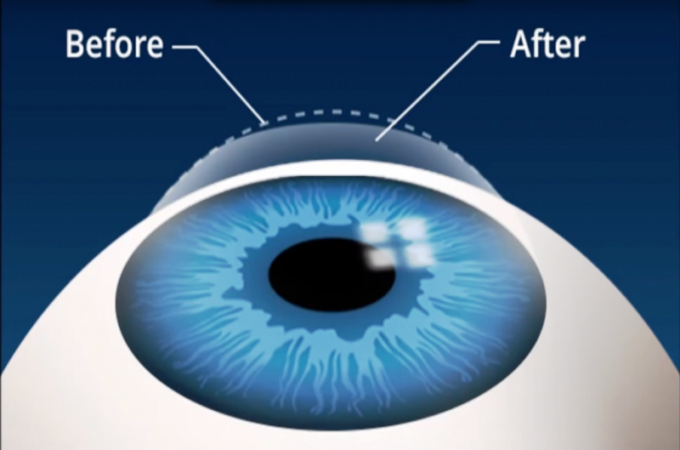
Look after your eyes and face during treatment too. Our article on laser eye surgery is a reminder of how delicate the eye area is. Keep dye away from your eyes and brows unless a product is made for that use. If dye gets in your eyes, follow the first aid directions on the packet.
Frequently asked questions
Is black henna safe if it is only on the skin for a short time?
Better Health says PPD is not intended for direct use on the skin. A single contact can cause a lasting allergy. Western Australia’s Department of Health says it is illegal to apply PPD to a client’s skin in Australia. It is best avoided.
Can I still dye my hair if I had a black henna tattoo?
Having had a black henna tattoo may raise your risk of reacting to hair dye. Speak with your GP before using dye with PPD. Let your hairdresser know about the tattoo as well. They can help you look at other options.
How long after colouring can a reaction appear?
The NHS says hair dye symptoms can appear up to 72 hours after use. Better Health says PPD allergy symptoms can appear one to fourteen days after contact. Keep an eye on your skin for a few days. See a GP if anything worries you.
This article is general information only and is not medical advice. Please speak with a doctor or qualified health professional about any skin reaction or allergy.